Why Commercial Mold Removal Requires a Different Approach Than Residential Work
@commercialmoldremovalnest
October 14, 2026 · 7 min read
Understanding the Scale of Mold in Commercial Properties
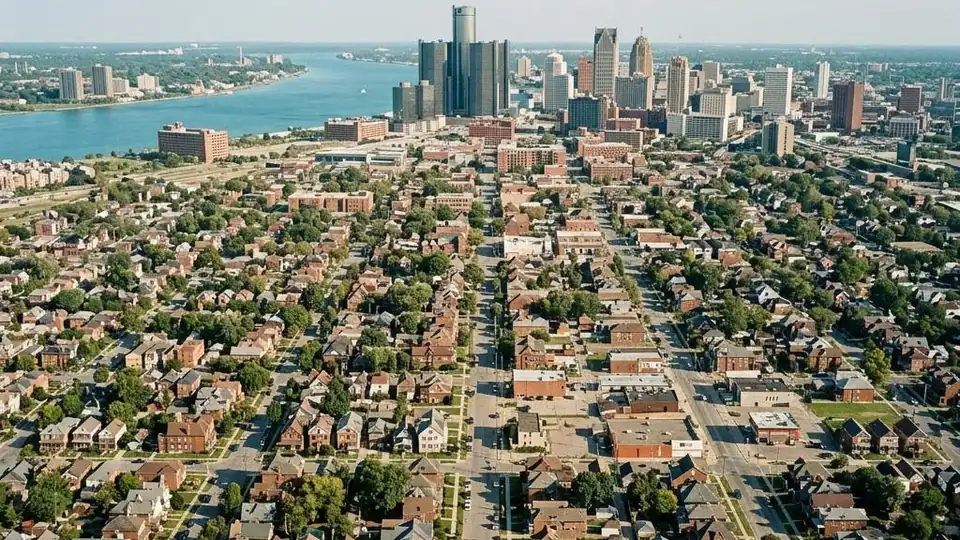
When I first started working in mold remediation, I assumed the same methods would work regardless of the building size. A small apartment basement and a 50,000-square-foot office building both have drywall, water damage, and black mold. But after a few years in Detroit, I realized commercial mold removal is a completely different animal. The scale, the regulations, the liability, everything shifts.
Property owners who manage commercial spaces often discover mold after tenants complain about musty odors or worsening asthma symptoms. By that point, the problem has usually spread beyond a single patch of drywall. In a residential home, you might clean a bathroom vent and move on. In a commercial setting, you are dealing with HVAC systems that circulate contaminated air through multiple zones, affecting dozens or hundreds of people.
How Moisture Control Differs in Large Buildings
Moisture control in a commercial property is not as simple as fixing a leaky pipe. The sources of water damage are often more complex. A flat roof with poor drainage, a cracked foundation in a basement parking garage, or condensation inside an HVAC duct can introduce moisture over a wide area. I have seen cases where a slow leak in an attic above an office ceiling went undetected for months, allowing black mold to colonize insulation and ceiling tiles. By the time someone noticed, the remediation required removing entire sections of drywall and replacing ductwork.
Commercial mold removal has to start with a thorough assessment of the building envelope and mechanical systems. You cannot just scrub the visible spots and hope for the best. The mold will return if the underlying moisture problem is not resolved. That is why many property owners now work with specialists who combine mold remediation with moisture control strategies like installing dehumidifiers in basements, improving attic ventilation, and sealing envelope leaks.
Indoor Air Quality and the Hidden Costs
Indoor air quality is a major concern for commercial tenants. Offices, retail spaces, and schools all need to maintain healthy air to keep people productive and safe. Mold spores are a known trigger for asthma and other respiratory issues. When a tenant reports breathing problems, the property owner faces pressure to act quickly. I have been on calls where a daycare center had to close for three days while we set up air scrubbers with HEPA filters to capture airborne spores. The lost revenue and inconvenience added up fast.
One thing I often tell property owners is that cutting corners on commercial mold removal can hurt your bottom line more than the remediation itself. If you use bleach to wipe mold off a wall without addressing the moisture behind it, you might save a few hundred dollars upfront. But the mold will grow back, and the next tenant complaint could lead to a lawsuit or an insurance claim denial. Insurance companies are getting stricter about mold coverage, especially after water damage. They want to see that you took professional steps, not just a DIY wipe-down.
Encapsulation vs. Removal: Knowing When to Use Each
In some commercial situations, full physical removal of moldy materials is not practical or necessary. That is where encapsulation comes into play. Encapsulation involves applying a specialized coating that seals mold spores inside the surface, preventing them from becoming airborne. This method works well on concrete walls in basements or crawl spaces where demolition would be disruptive. But it is not a universal solution. If the mold has penetrated deep into porous materials like drywall or carpet, removal is the only safe option.
I once worked on a Detroit office building where the basement had extensive black mold on cinder block walls. The property owner wanted to avoid the cost of gutting the entire basement. We used encapsulation after treating the surface with an antimicrobial solution. That was the right call because the blocks were structural and the mold was mostly surface-level. But in the same building, we had to cut out and replace sections of drywall in the break room because water damage had soaked through. Knowing the difference comes from experience and proper mold testing.
The Role of Mold Testing and Professional Assessment
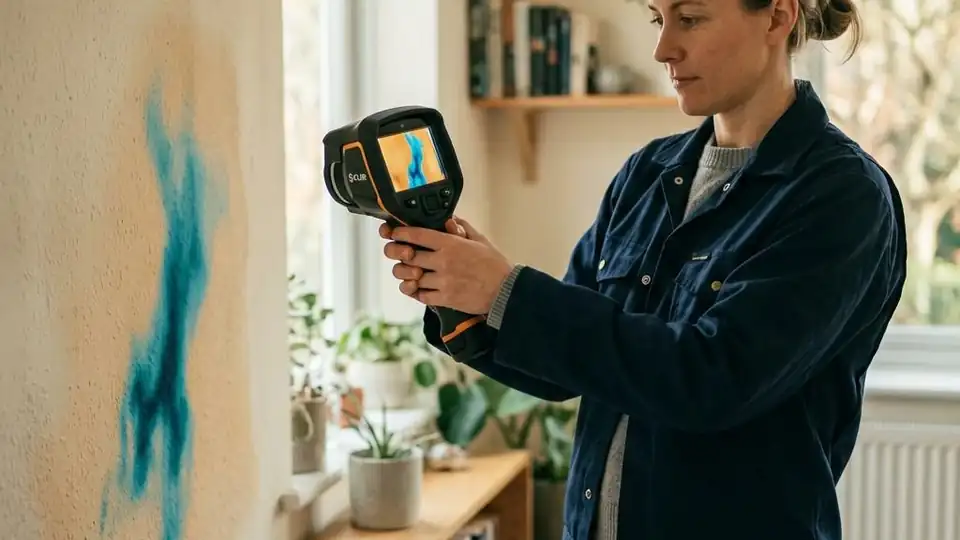
Mold testing is not always required, but it can save a lot of guesswork. Air sampling and surface tests tell you what species of mold you are dealing with and how far it has spread. For commercial properties, especially those with HVAC systems, testing helps pinpoint the source. I have seen cases where mold in an attic was being pulled into the ventilation system and affecting rooms on three floors. Without testing, we would have spent days cleaning visible mold while the real problem stayed hidden.

When you hire a company for commercial mold removal, they should do a walkthrough, take moisture readings, and possibly collect samples. The results guide the remediation plan. It also provides documentation for insurance claims. If you file a claim for water damage that led to mold, the insurer will want proof that you handled it properly. A professional report with test results strengthens your case.
Equipment That Makes a Difference
The tools used in commercial mold removal are often heavier duty than residential gear. Air scrubbers with HEPA filters are essential for capturing spores during the cleanup process. Dehumidifiers help dry out the area so mold cannot regrow. In large spaces, you might need multiple units running for days. I have also used negative air machines to create a pressure differential that keeps spores from drifting into clean areas. This is not something you can achieve with a box fan and a shop vac.
One mistake I see property owners make is thinking that bleach kills mold permanently. Bleach can kill surface mold on non-porous surfaces, but on wood or drywall, it only bleaches the stain. The roots of the mold remain, and the moisture in the bleach can actually feed new growth. Professional mold remediation uses antimicrobial cleaners designed for porous materials, followed by drying and sometimes encapsulation.
Navigating Insurance and Liability
Commercial mold removal often intersects with insurance claims. Many standard commercial property policies exclude mold coverage or cap it at a low amount. If you have a water damage event, the insurer may pay for the water removal but not the mold remediation. I have talked to property owners who assumed their policy covered everything, only to get a surprise when the adjuster denied the mold portion. Reading the fine print and talking to your agent before a problem occurs is wise.
When mold is discovered, document everything. Take photos, keep receipts, and save the mold testing report. If you need to file a claim, that documentation helps prove the timeline and the extent of the damage. Some insurers also require that you use a certified remediation company. Cutting corners to save money can backfire if the insurer denies the claim because the work was not done to standard.
The Human Side: Protecting People
At the end of the day, commercial mold removal is about protecting the people who use the building. Tenants, employees, customers, and visitors all deserve a space with good indoor air quality. I have seen the relief on a property owner's face when we finish a job and the air quality tests come back clean. It is not just about avoiding lawsuits or insurance headaches. It is about doing right by the people who trust you to maintain a safe environment.
If you manage a commercial property in Detroit or anywhere else, take mold seriously from the start. Address water damage immediately, keep humidity levels in check with dehumidifiers, and do not ignore musty smells. A small problem in a basement or attic can turn into a major liability if left unchecked. And when you need commercial mold removal, hire a team that understands the unique demands of large buildings. Your tenants will thank you, and so will your building's long-term health.